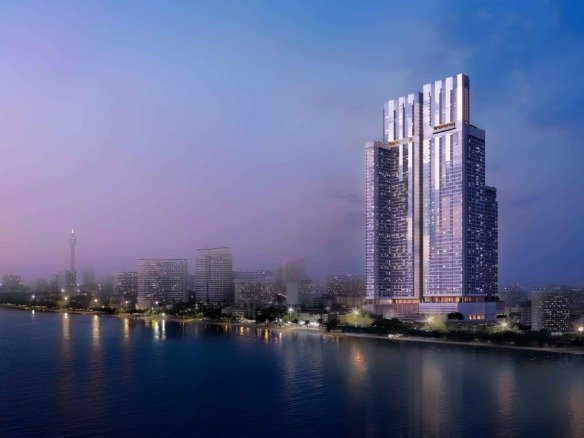

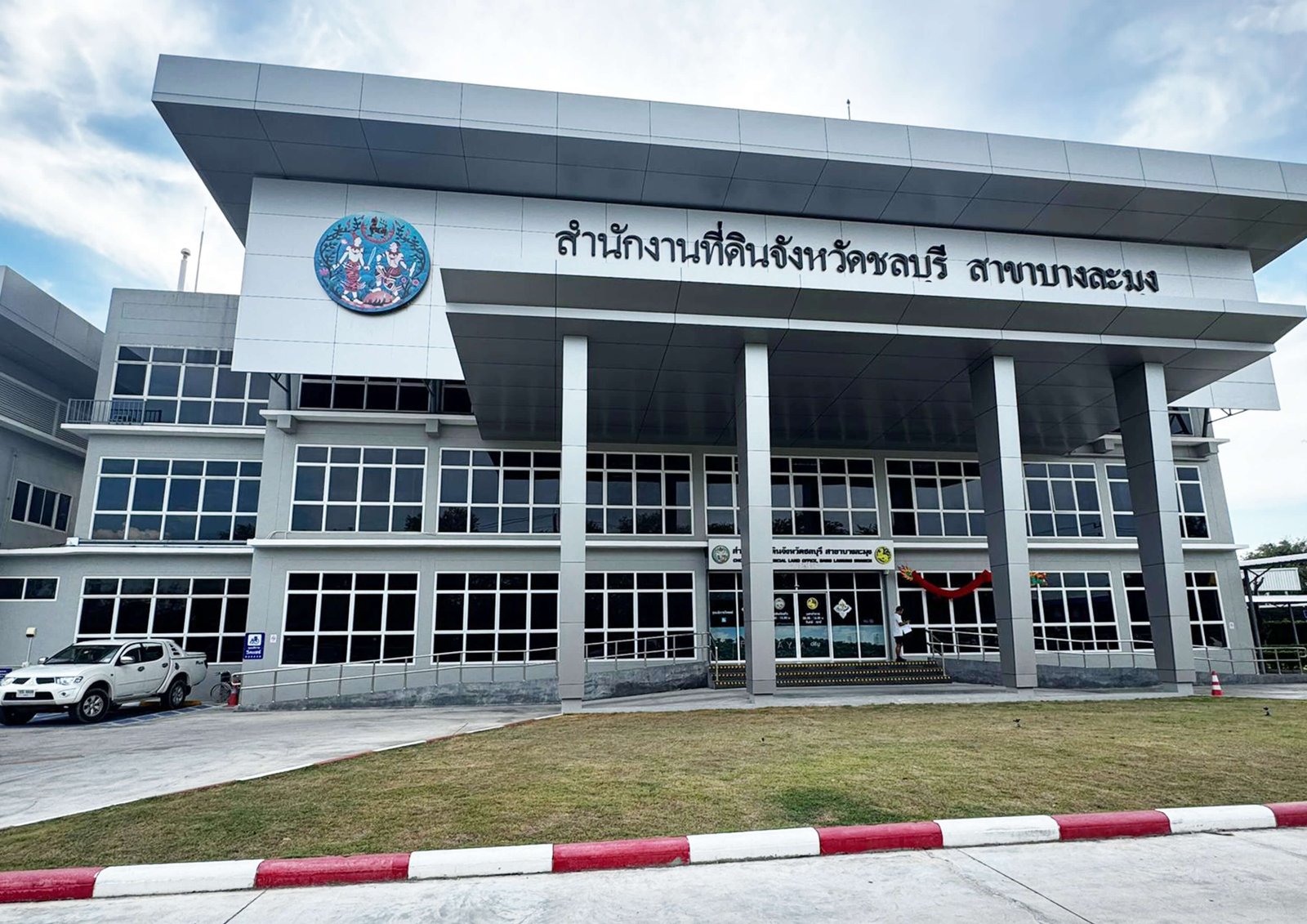
Thailand remains a top destination for global investors, driven by its lifestyle, cost of living, and strong capital appreciation, particularly in economic hubs like Pattaya. However, investing abroad comes with specific legal requirements. This guide compiles essential information from ownership structures to fund transfers and required documents to ensure your investment is secure and compliant with Thai law.
Condominium Ownership
Purchasing a condominium is the most straightforward method for foreigners to hold freehold title in their own name.
Foreign Quota
Under the Condominium Act, foreigners can own no more than “49%” of the total saleable area of a project. The remaining 51% must be owned by Thai nationals or Thai entities.
– Advice: Before placing a deposit, always verify the available foreign quota with the Juristic Office to prevent registration issues at the Land Office.
Ownership Types
– Freehold: Absolute ownership in your own name indefinitely (Most preferred).
– Leasehold: A long-term registered lease for 30 years. Often found on leased land or when the foreign quota is exhausted.
Resale Condo Checklist
– Debt-Free Certificate: Confirmation from the Juristic Office that there are no outstanding CAM (Common Area Maintenance) fees.
– Title Deed (Chanote): Verify that the original deed is free from any encumbrances or undisclosed mortgages.
– Inspection: Check electrical, plumbing, and common area maintenance history before the transfer.
Landed Property Options
Thai law prohibits foreigners from owning land directly in their own name. However, the following legal structures are commonly used:
1.Leasehold: 30-year land lease registered at the Land Department.
2.Thai Limited Company: Establishing a Thai entity where the foreigner holds up to 49% (The company must be a legitimate business with active operations).
3.Building Ownership: Foreigners can legally own the “structure or villa” in their own name, even if the land is leased or held by a Thai spouse.
The Buying Process
1.Reservation: Sign a reservation agreement and pay a deposit to lock the unit and price.
2.Due Diligence: A thorough check of the title deed, building permits, and seller’s background.
3.International Fund Transfer: A critical legal step to obtain the necessary certification for the transfer of ownership.
4.Sales and Purchase Agreement (SPA): Finalizing price, payment terms, and transfer dates.
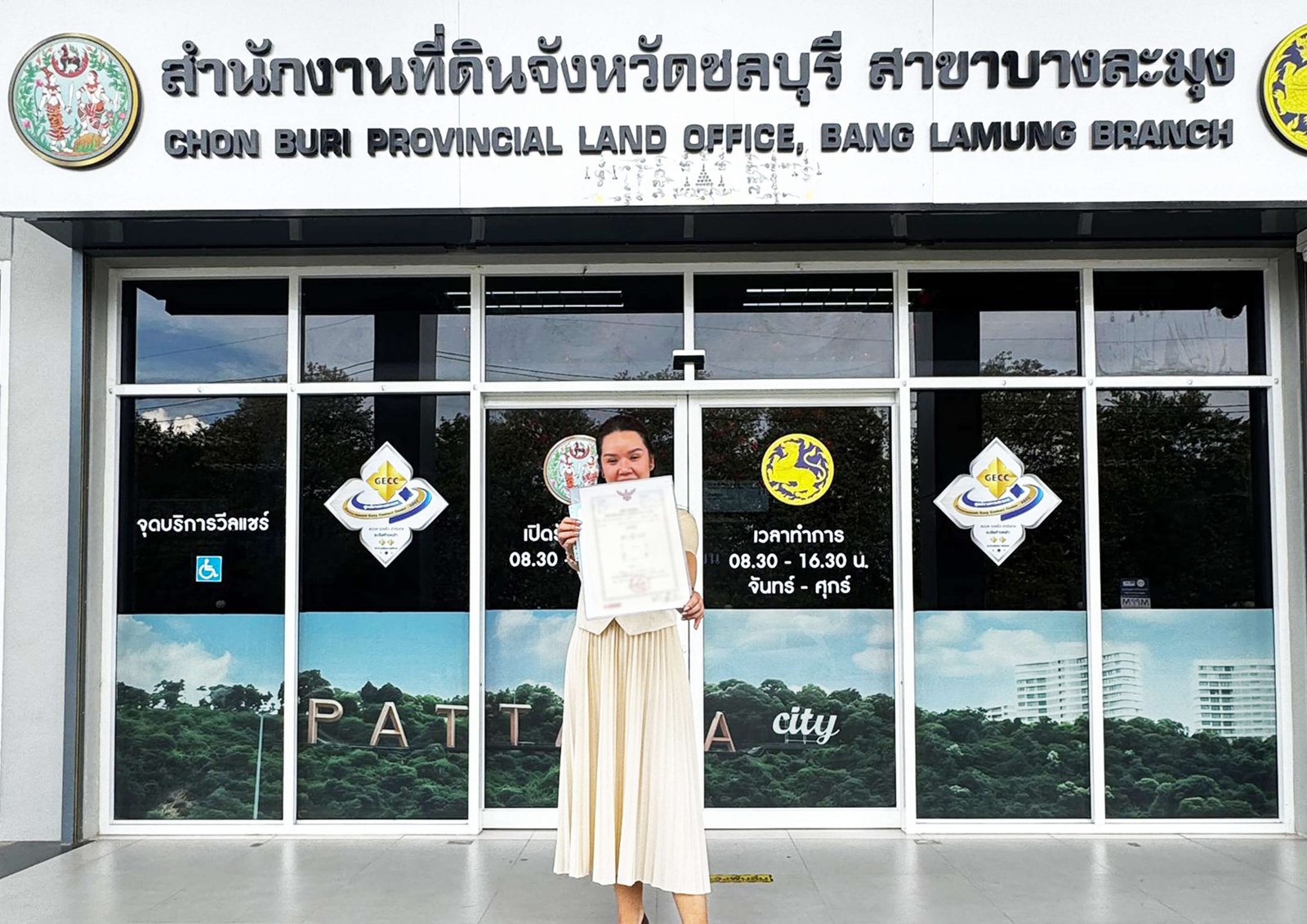
5.Ownership Transfer: Completion at the Land Office, where taxes and fees are settled.
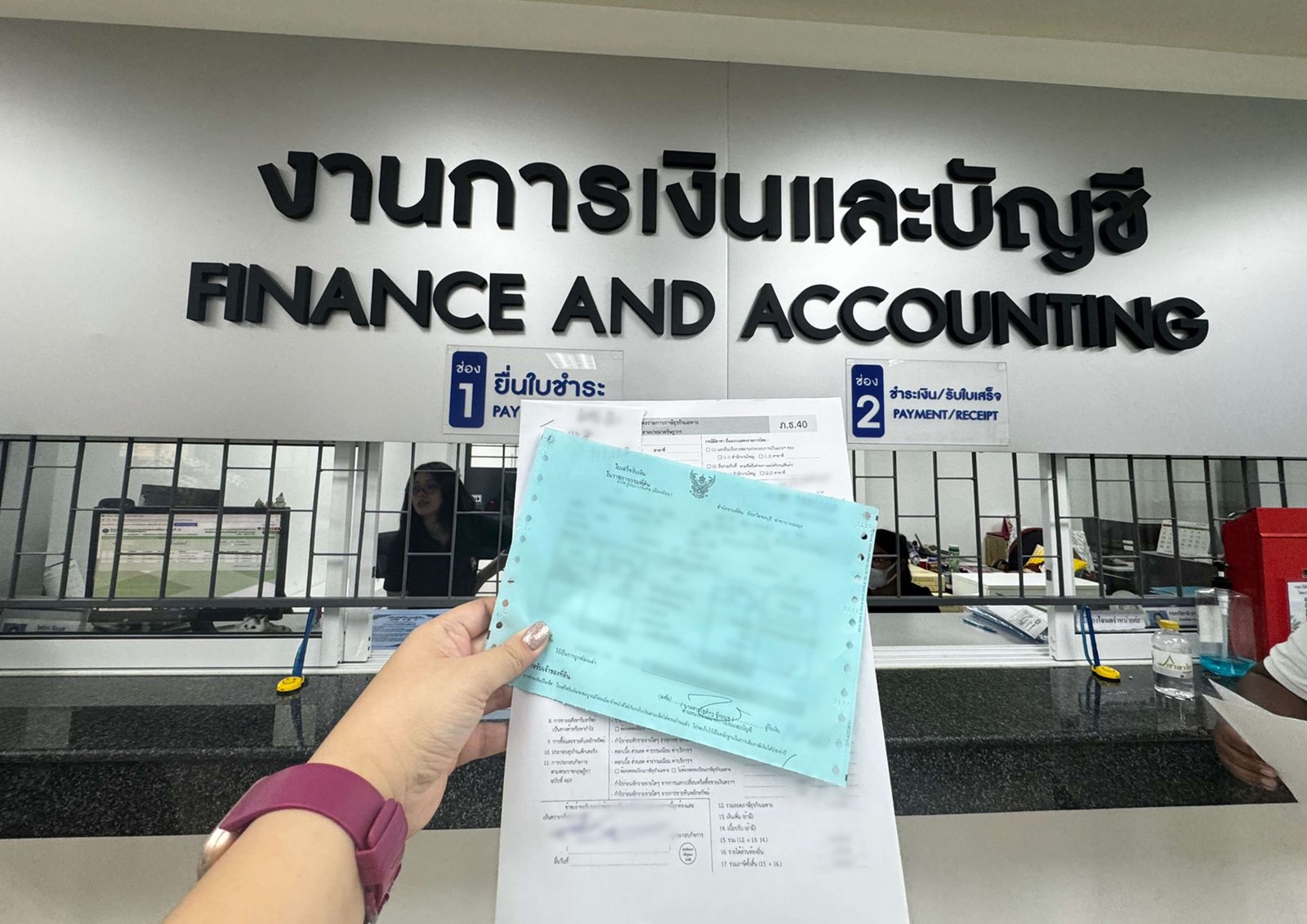
Financial Essentials: The FET (Foreign Exchange Transaction) or TT3
The FET (or Thor Tor 3 / TT3) is the most vital document for foreigners when transferring a condo title.
– Principle: Funds must be transferred from abroad in “Foreign Currency only” (not THB) to be converted into Baht within Thailand.
– Purpose: The transfer instructions must clearly state: “To purchase a condominium Unit [Unit No.] at [Project Name]”.
– Threshold: Banks issue an FET for transfers of $50,000 USD or more (for smaller amounts, a bank certification letter is required).
– Benefit: Essential for both title transfer and repatriating funds back home after a future sale.
Download Foreign Exchange Transaction (FET) / TT3 Form
Required Documents
– Passport: With a valid visa.
– Sales and Purchase Agreement (SPA): Finalized version.
– FET Form or Bank Certification: (Original documents).
– Title Deed (Chanote): Original from the seller.
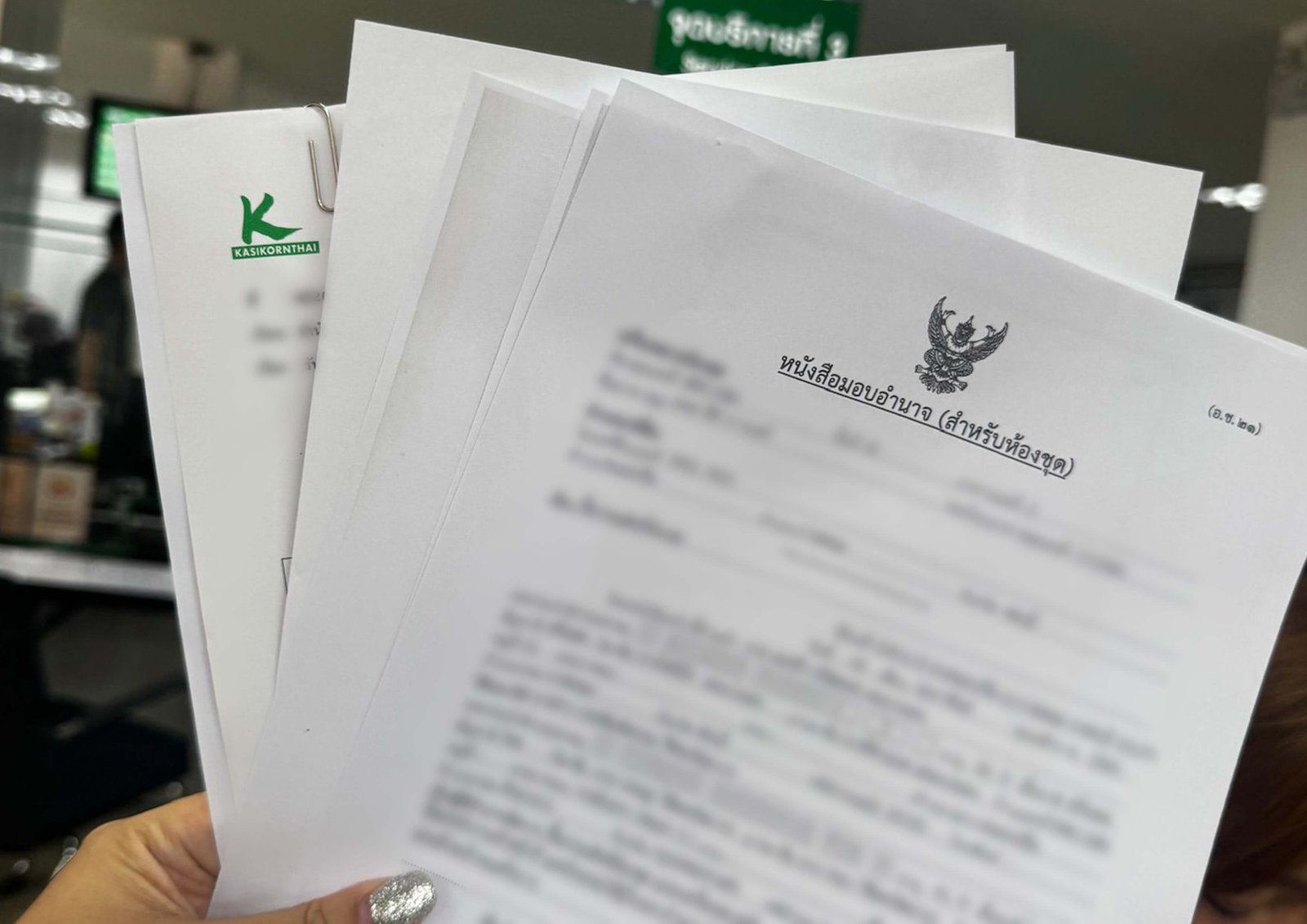
– Power of Attorney: If not attending in person, use the official Land Department form (Tor Dor 21).
Rental & Tax Management
– Rentals:Long-term leases (30+ days) are standard. For short-term rentals (Daily/Airbnb), one must comply with the Hotel Act and Building Regulations.
– Taxes: Income from rentals in Thailand is subject to Personal Income Tax and Property Tax as required by law.
Investing in Thai real estate is a rewarding opportunity when you have the right expertise by your side. At Select Property Pattaya, we specialize in navigating the complexities of the 49% foreign quota and FET requirements to ensure a 100% secure transaction.
Our team of lifestyle real estate experts is ready to assist you at every step from curated property selection and legal due diligence to a seamless ownership transfer at the Land Office.
Ready to start your investment journey in Pattaya?
Contact Select Property Pattaya today for a free consultation:
📞 Phone/WhatsApp: +66 81 248 0827 (TH / EN) / +66 94 442 3231 (EN / Hebrew)
📧 Email: sales@selectcenter.co.th
🌐 Website: https://selectcenter.co.th/
📍 Visit us: SELECT PROPERTY PATTAYA
Your trusted partner for a safe and sound investment in Thailand.